
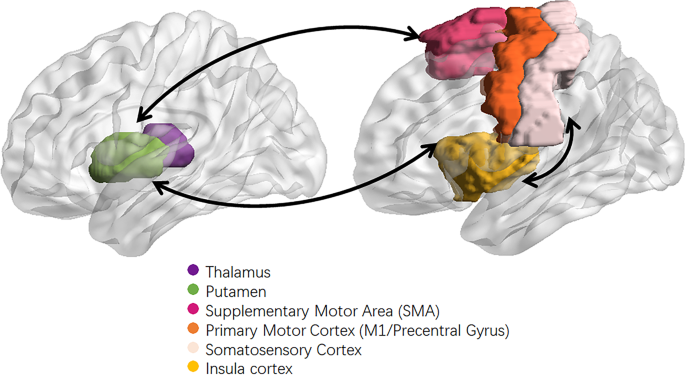
This is a powerful and scientifically grounded perspective on managing Bipolar Disorder (BD). It shifts the narrative from “coping with a lifelong illness” to “actively participating in biological repair.”
Below is a structured draft for your website, designed to be engaging, scannable, and medically informative.
Beyond the Diagnosis: Rewiring the Mind for Bipolar Stability
Living with Bipolar Disorder often feels like being at the mercy of unpredictable biological tides. However, modern neuropsychiatry reveals a more hopeful reality: your brain is not a static organ. Through the principles of neuroplasticity and epigenetics, you can actively influence the biological expression of the disorder, moving toward a state of “gene remission.”
1. Biological Repair: The Power of Neuroplasticity
For a long time, we believed the adult brain was “hard-wired.” We now know the brain possesses neuroplasticity—the ability to reorganize itself by forming new neural connections throughout life.
- Strengthening Healthy Circuits: Just as a muscle grows stronger with exercise, deliberate psychological changes strengthen the neural pathways responsible for emotional regulation and impulse control.
- Weakening Maladaptive Paths: Consistent therapy helps “prune” or weaken the circuits linked to the intrusive thoughts and behaviors that fuel mood swings.
- Driving Neurogenesis: Research indicates that lifestyle changes and certain treatments (like exercise or ECT) can actually trigger the birth of new neurons (neurogenesis) in the hippocampus—an area often impacted by Bipolar Disorder. This process is supported by BDNF (Brain-Derived Neurotrophic Factor), a protein that acts like “brain fertilizer.”
2. Gene Remission: Turning the “Switches” Off
You cannot change your DNA sequence, but you can change how your genes behave. This is the science of epigenetics.
Think of your genetic predisposition as a set of light switches. While the switches exist, your environment and choices determine which ones are turned “on” or “off.”
- Environmental Triggers: Chronic stress, trauma, or sleep deprivation can “turn on” risk genes, increasing symptom severity.
- Psychological Influence: By mastering stress reduction and routine, you can induce epigenetic modifications that silence pathological genes and promote the expression of protective ones.
- The “Dormant” State: When we talk about “gene remission,” we mean that while the genetic blueprint for Bipolar Disorder remains, its ability to cause illness has been significantly reduced or rendered inactive.
3. The Toolkit for Change
How do we practically “rewire” a brain? It requires a multi-faceted approach that targets different neural systems.
| Strategy | Primary Focus | How it “Rewires” |
| CBT | Thoughts & Beliefs | Challenges distorted patterns to build new cognitive pathways. |
| IPSRT | Social Rhythms | Stabilizes the circadian system, regulating the brain’s natural clock. |
| DBT | Emotion Regulation | Develops distress tolerance and mindfulness to prevent emotional escalation. |
| Lifestyle | Physical Health | Exercise and sleep hygiene reduce neuroinflammation and oxidative stress. |